


If you've been handed the treasurer's job at a club, community group, PTA, church, society or small charity, the first question is usually the same: what is a treasurer's account, and where do we get one?
In practice, a "treasurer's account" is simply the bank account the treasurer runs on behalf of the organisation. Some banks and credit unions market it as a named product, usually alongside their community or charity accounts. The label matters far less than three things:
- It's in the organisation's name, not the treasurer's. Money sitting in a personal account is legally that person's — exposed to their bankruptcy, a relationship breakdown or bereavement, and horrible to separate at year-end.
- It has more than one signatory. Two people authorising payments protects the funds, the committee and the treasurer's own reputation. Handovers get easier too — treasurers change, accounts shouldn't have to.
- It produces statements you can actually reconcile. That's what the treasurer's report, the annual accounts and any independent examination are built from.
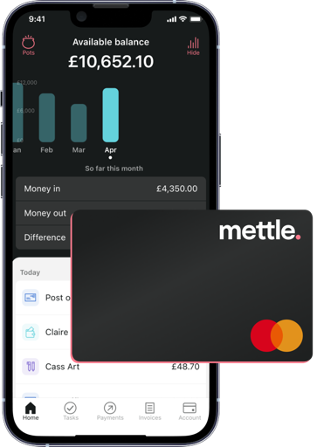
An honest word on Mettle: it's a genuinely good free account, but it is built for sole traders and companies with one or two owners. It can suit a small company-style social enterprise or a one or two-owner CIC. It is not a treasurer's account, and it is not right for a trustee- or committee-governed charity, club or community group — those need a charity or community account with multiple signatories and dual authorisation. We'll say so rather than sell you the wrong thing.
Whichever account you end up with, keep restricted and unrestricted money visible in your records rather than trusting the balance — our post on restricted vs unrestricted funds explains why the bank balance lies. And if you're new to the role, start with what is a treasurer's account?
What the bank will ask for when you open one: